Pedro Silva's Blog

Hi, I’m Pedro. This is where I think out loud: short notes, new ideas, things I am working through and the occasional story worth keeping.


Feedforward: advice without judgement

In feedback conversations, I often notice how quickly the past takes over.

A manager points to something that went wrong. The other person disagrees, apologises or explains the context. What was meant to be useful becomes a quiet negotiation about who understood the situation correctly.

Marshall Goldsmith suggests a different approach: feedforward. Instead of judging what already happened, ask what could be done differently next time.

The distinction sounds small, but it changes the conversation. Feedback can feel like a verdict, even when it is carefully delivered. Feedforward treats improvement as something still available. There is less need to defend a decision that cannot be changed.

Read more →

Doing what everyone does

I used to think that avoiding an average life required unusual talent.

Now I’m sure it begins with something simpler: not copying the default.

If I make the same choices as everyone around me, I should not be surprised to get similar results. The same education, the same career moves, the same habits, the same approach to investments and risk. None of those choices is necessarily wrong. They are simply unlikely to lead somewhere different.

Read more →

Life rewards action, not intelligence

A short and thought-provoking talk from Conor Neill on one less obvious drawback of intelligence: it makes our excuses more convincing.

He argues that progress depends less on intelligence than on turning what we already know into action.

It is a good reminder that sometimes we need to intentionally persuade ourselves to take action.

Weekly reflection

This week was a good reminder that impact does not always come from a single big achievement. More often, it comes from creating momentum across many interconnected initiatives.

Over the past few days, I had the opportunity to contribute to brand planning, omnichannel strategy, AI adoption, capability building, and cross-functional collaboration across multiple teams and markets. While each activity may seem small in isolation, together they help move the organisation forward, strengthen alignment, and create the conditions for future success.

Read more →

Character-based leadership

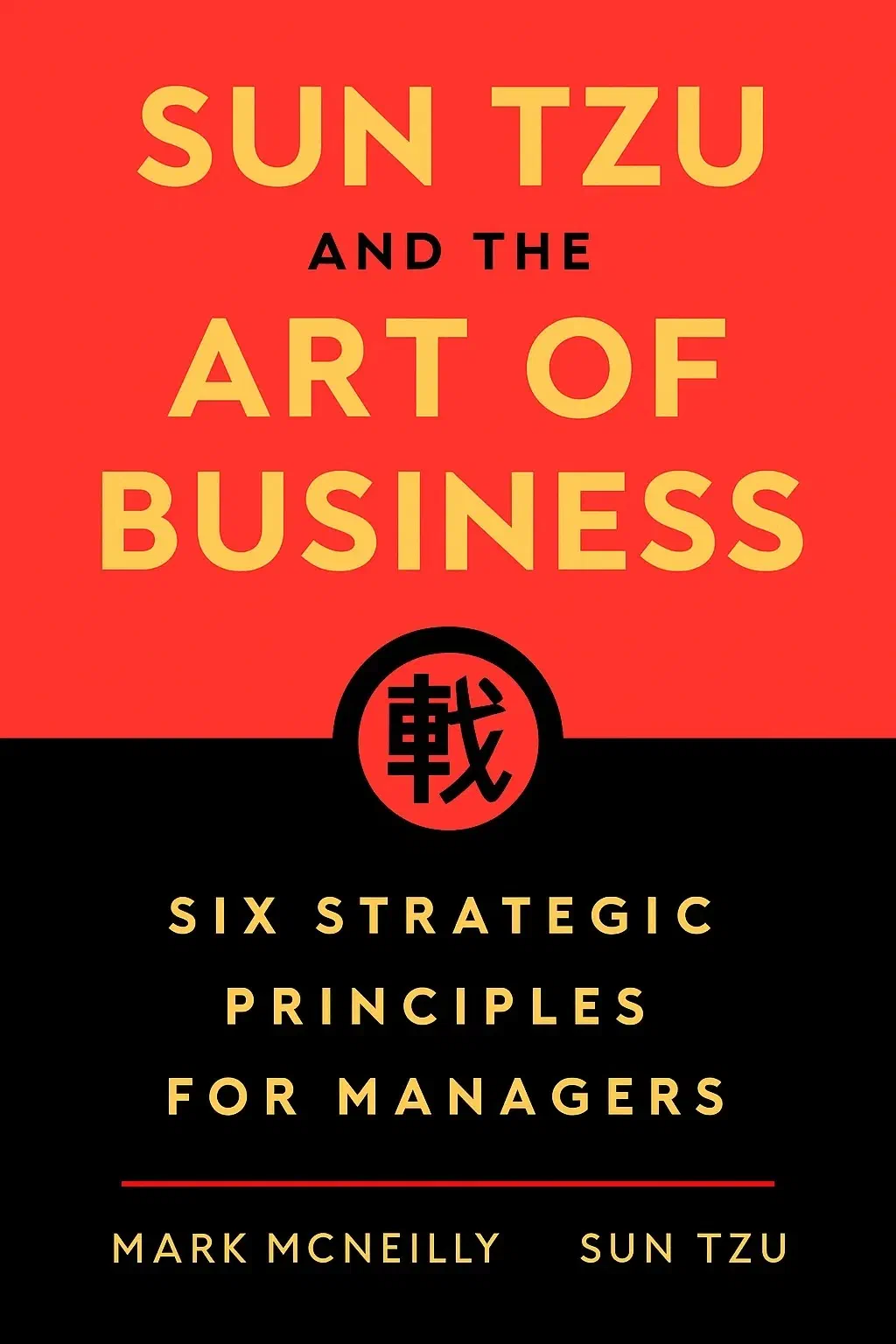
The core leadership virtues include wisdom to discern the proper strategic path, sincerity that builds trust, humanity that recognizes the dignity of all stakeholders, courage to make difficult decisions, and discipline to maintain consistent standards.

via Sun Tzu and the Art of Business

Sun Tzu and the Art of Business: Six Strategic Principles for Managers

Prompting before thinking

I keep hearing people ask AI questions they have not tried to answer themselves. A difficult email arrives, and before deciding what they think, they ask the machine how to respond. A choice appears, and the first instinct is to prompt it rather than think it through.

The tool is useful, but the order matters. When AI becomes the first step, it removes the part where a view begins to form.

Read more →

The disagreement I stopped sharing

For years, I thought I was building trust by letting my team know which decisions I disagreed with. Reading Serve Up, Coach Down, I realised that what felt like transparency was quietly undermining the very decisions I expected my team to support.

Nathan Jamail makes a distinction that I will always remember. Before a decision, my job is to contribute honestly, challenge assumptions and bring my best thinking. Once the decision is made, my job changes. My team no longer needs to know how hard I argued. They need someone who will help them succeed within the chosen direction.

Read more →

The delusion that got you here

Not everything that got you here deserves to be trusted. Some of it just survived.

Marshall Goldsmith calls it the success delusion. Once something has worked, we confuse the behaviours that produced the result with the behaviours that survived it.

The people he coaches are not failing. They are already successful. Their problem is smaller and harder to see: the higher you go, the more a suggestion sounds like an order. Nobody tells you.

Read more →

The B player is a measurement problem

I read an old article this week. “Let’s Hear It for B Players,” Harvard Business Review, June 2003. The argument is that companies chase stars and neglect the steady performers who keep the place running, and that this is a costly mistake. 23 years later it still circulates, which is either a compliment to the writing or a sign nothing changed.

What caught me was the label, more than the argument itself. B player. We took the grade from school, where a B means good but not top, and we now apply it to adults as if a whole working life could sit on one scale. The scale measures something. I am less sure it measures what we think it does.

Read more →

The scarce resource isn't technology

I was again in another meeting where AI appeared before the agenda come up. Not because we were there to discuss it. It has simply become the slide every strategy deck seems to need, somewhere between growth and efficiency.

What I can’t tell, sitting in those rooms, is whether we keep raising it because it matters that much or because everyone else is raising it. Either way, I am less convinced than I was that AI itself will be the advantage.

Read more →